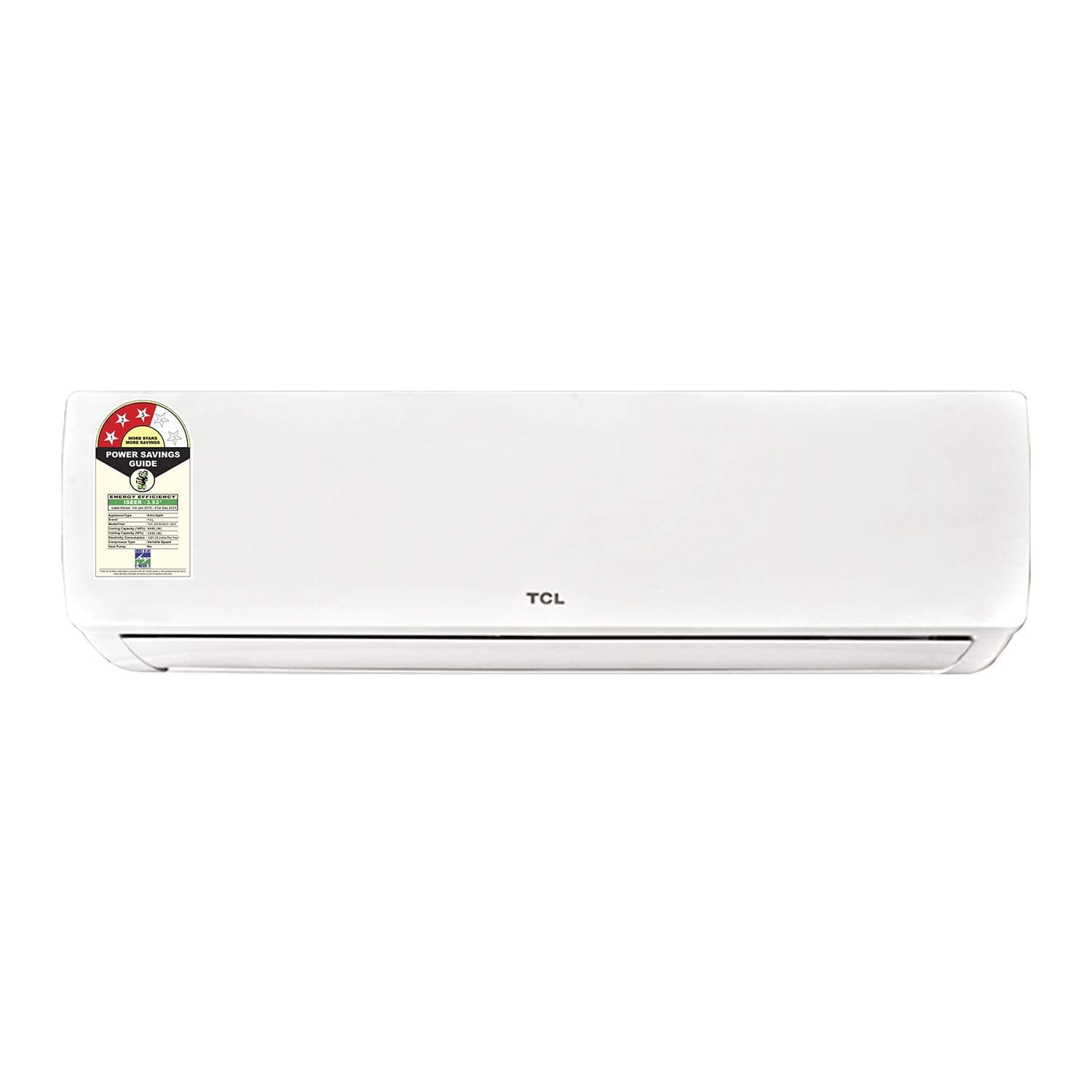
Designed for India's grid realities, the TAC-22CSD/V3 integrates stabilizer-free operation across 190–240V — no external voltage regulator needed, even in tier-2 cities or areas with frequent power fluctuations.
Quick Answer
Yes, the TAC-22CSD/V3 is an excellent buy for those prioritizing consistent cooling and energy savings in medium-sized Indian rooms. Its 2 Ton capacity optimally handles 151-200 sq.ft spaces, while the integrated stabilizer-free operation protects against voltage swings common in many regions. With a 3 Star ISEER of 3.75, it guarantees reduced long-term electricity bills, making it a smart, durable investment.
Choose the TAC-22CSD/V3 if you need robust 2 Ton 3 Star performance for spaces up to 200 sq.ft and seek long-term operational savings. Avoid it if your cooling needs exceed this area or if initial capital expenditure outweighs the proven 3.75 ISEER efficiency. This AC is for users demanding stability and verifiable efficiency in fluctuating power conditions.
| Type | Split |
| Panel Display | Digital |
| Brand | TCL |
| Model | TAC-22CSD/V3 |
| Color | White |
| Launch Year | 2019 |