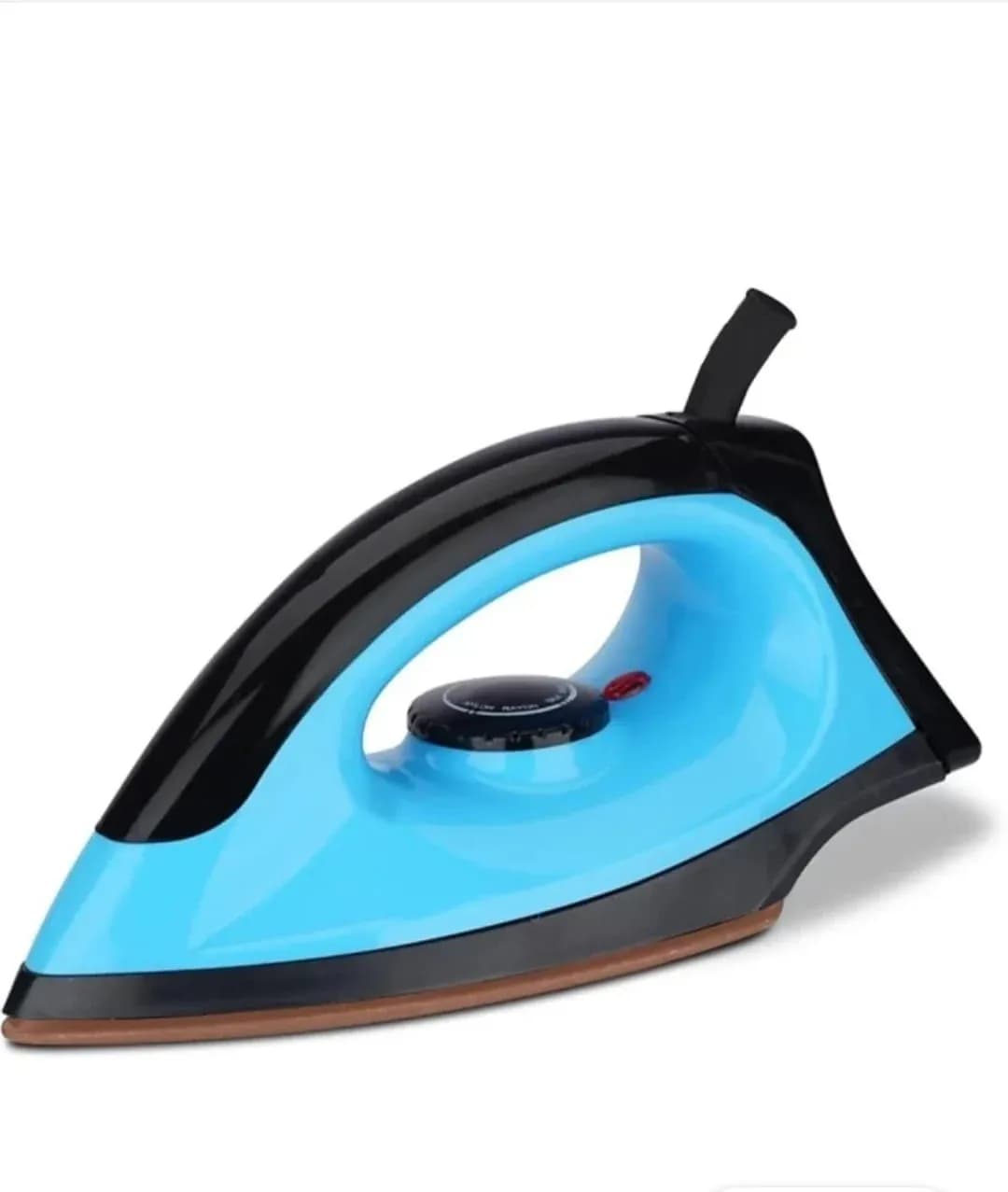
The Non Stick soleplate is engineered to provide a low-friction surface that glides effortlessly over textured Indian fabrics. By utilizing a high-quality coating, the base plate resists the buildup of starch commonly used in cotton sarees, preventing the 'tug' that can lead to fabric stretching. The 750 heating element is calibrated to reach operational temperatures quickly while maintaining a uniform heat distribution across the entire surface area. This ensures there are no cold spots that require multiple passes, effectively protecting the integrity of delicate embroidery and zari work often found on ethnic wear. This thermal efficiency allows for rapid crease removal on heavy cotton and linen blends without damaging the fiber structure.
Temperature regulation is managed through a robust manual dial thermostat that maps specifically to different heat tolerances. The two primary modes for cotton and synthetics provide a clear distinction between the high-heat requirements of office shirts and the lower, safer temperatures needed for polyester or rayon. This precision is vital for the modern Indian wardrobe, which often features a mix of natural and synthetic fibers in a single outfit. By controlling the current flow to the heating coil based on the dial position, the dry iron prevents thermal overshoot. This level of control ensures that even fragile silk kurtas can be pressed safely without the risk of yellowing or fiber melting during the process.
The safety architecture of this dry iron is designed to handle the realities of Indian electrical infrastructure, where voltage fluctuations can occur. The ISI certification serves as a benchmark for electrical safety, ensuring the internal wiring and insulation meet rigorous standards. An integrated thermal fuse acts as a secondary fail-safe, physically breaking the circuit if the internal temperature exceeds safe limits due to a component failure. Additionally, the overheat protection system automatically cuts power when the desired temperature is reached, preventing the soleplate from becoming a fire hazard. These layers of protection work in tandem to safeguard both the user and the garment, providing a reliable experience even in homes with varying power stability.
Ergonomic design is a core focus for this dry iron, particularly for users who handle large volumes of laundry. The 1.0kg weight is specifically chosen to provide enough downward pressure for crease removal while remaining light enough to prevent wrist strain during long sessions. The handle is contoured to fit the natural grip of the hand, reducing the effort required to maneuver around buttons on school uniforms or pleated sections of sarees. With a 1.5-meter cord, the dry iron offers significant freedom of movement, allowing users to reach the full length of an ironing board comfortably. Ultimately, the 21.sweety blue represents a calculated balance of weight, reach, and thermal performance for Indian households.