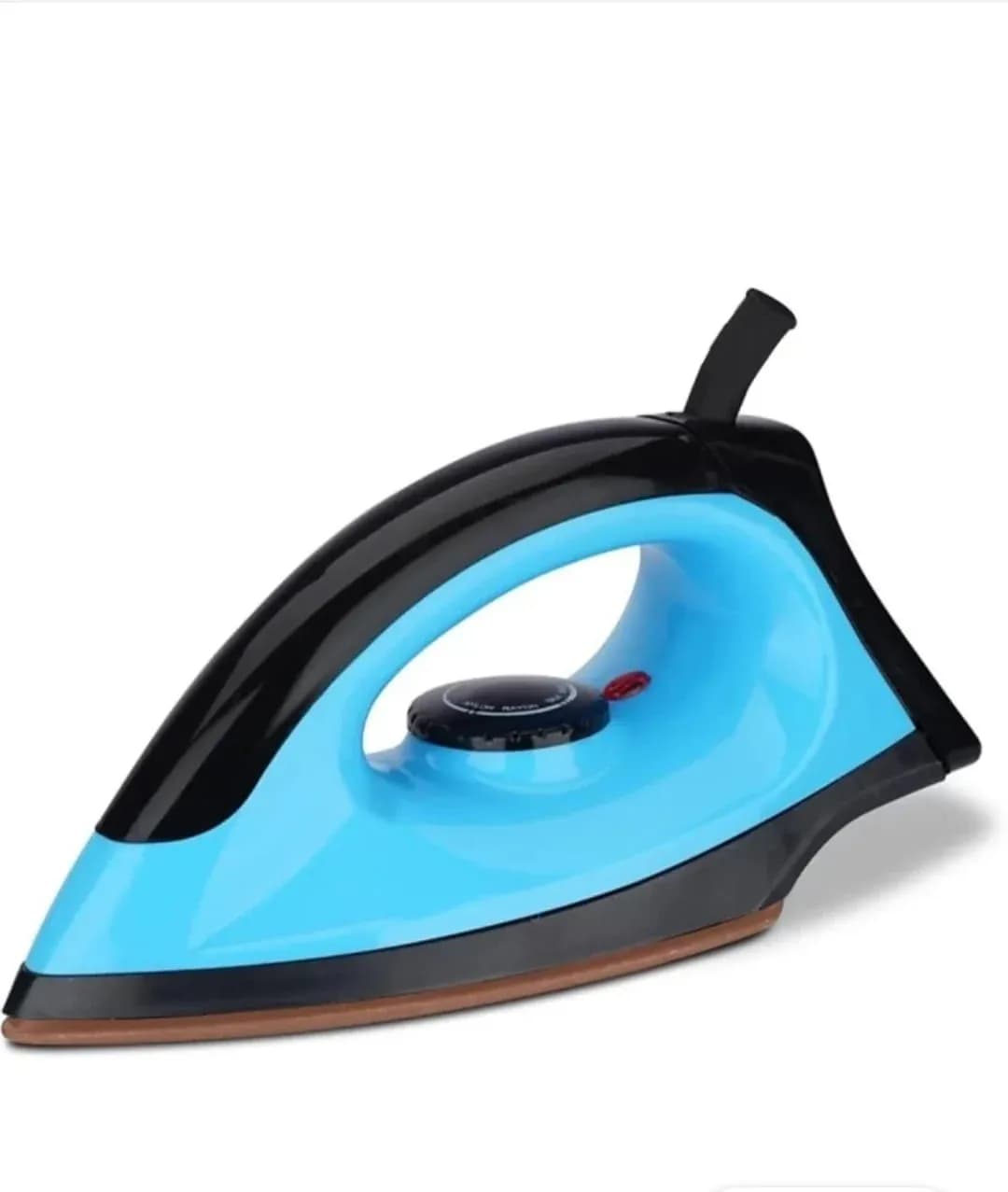
The Non Stick soleplate is engineered to minimize friction against textile fibers, which is critical when pressing delicate silk or rayon. The coating is applied with a high-density process to resist scratches from metallic buttons on school uniforms or heavy embroidery on festive kurtas. Heat distribution is managed through a specialized heating element that spreads energy uniformly across the surface, eliminating cold spots that can cause uneven results. At 750, the iron reaches the target temperature for cotton settings in under a minute, optimizing energy consumption while ensuring the base stays hot enough for heavy fabrics.
The manual dial maps specifically to the two primary fabric modes: cotton and synthetic. This binary focus simplifies the user experience while ensuring the thermal sensor maintains tight tolerances. For synthetic fabrics like polyester blends, the iron maintains a lower, stable temperature to prevent melting or shining. When switched to the cotton mode, the 750 element provides the sustained high heat necessary to break the hydrogen bonds in cellulose fibers, resulting in a crisp finish on heavy cotton sarees. This specialized calibration is essential for Indian wardrobes that frequently mix traditional natural fibers with modern synthetic materials.
The safety architecture is designed around the specific challenges of Indian electrical grids, including voltage fluctuations and surges. The ISI certified design includes a thermal fuse that acts as a physical fail-safe, cutting off power if internal temperatures exceed safe limits. Overheat protection works via a bi-metal strip in the thermostat that disconnects the circuit once the desired heat level is reached, preventing the soleplate from damaging fabrics. This multi-layered approach protects the internal wiring and the heating element from premature failure, ensuring the iron remains safe for use even in households with older electrical infrastructure.
Ergonomic considerations are evident in the handle design, which provides a secure grip for both small and large hands. The 1.0 weight is the optimal middle ground for a dry iron; it is heavy enough to press out stubborn wrinkles in thick denim or linen but light enough to be used for extended periods without strain. The 1.5 cord length uses a high-quality insulation sleeve to resist heat damage if it accidentally touches the soleplate. Collectively, these engineering choices make the 13.sahno red iron a superior tool for the daily maintenance of school uniforms, office wear, and traditional Indian garments.