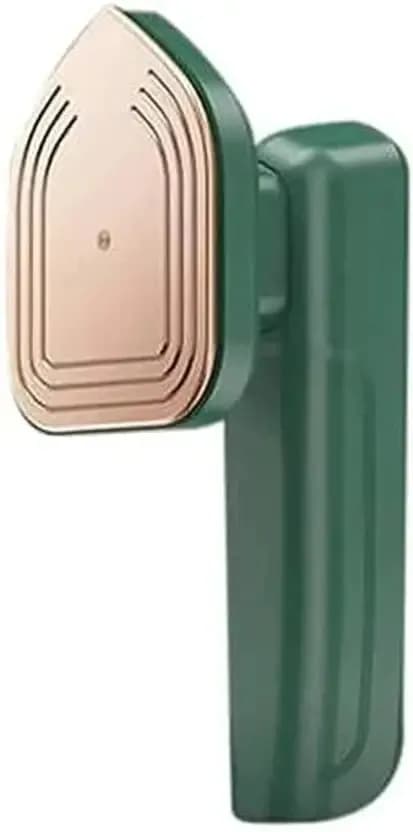
The ceramic soleplate of this steam iron is engineered to provide a low-friction glide, which is critical for protecting the delicate embroidery found on many Indian ethnic garments. Unlike traditional metal surfaces, the ceramic layer ensures uniform heat distribution across its entire surface area, preventing localized hot spots that can scorch sensitive fabrics like rayon. The material is also highly resistant to scratches from metal buttons on office shirts or zippers on school bags, maintaining its smooth finish over years of use. Combined with the 1000W heating element, the soleplate reaches the target temperature rapidly, ensuring that the steam iron is ready for operation within seconds of being plugged in.
The adjustable thermostat system is specifically calibrated to handle the varied textile landscape of an Indian wardrobe. It features three distinct fabric modes that correlate to specific temperature windows: low for silk and synthetics, medium for polyester blends, and high for thick cottons and linens. This precision engineering prevents the soleplate from exceeding the melting point of synthetic fibers while still providing enough heat to relax the tough cellulose bonds in starched cotton sarees. By isolating the heating cycles, the internal circuitry ensures that the 1000W power draw is optimized for each setting, providing consistent performance without the risk of thermal runaway during extended morning ironing sessions.
Safety in the Indian context requires robust protection against common electrical issues such as voltage spikes and overheating. This steam iron incorporates a dual-layered safety architecture consisting of a thermal fuse and an integrated overheat protection circuit. The thermal fuse acts as a physical fail-safe, cutting off power permanently if the internal temperature exceeds safe limits, while the overheat sensor modulates the heating element to maintain a stable operating environment. Encased in a shockproof body, the unit protects the user from electrical leaks, which is essential given the 220–240V standard in Indian households. These engineering choices provide peace of mind for families who may occasionally leave the iron unattended.
Ergonomic engineering is evident in the 0.38kg ultra-lightweight chassis, which is designed to reduce muscle fatigue during repetitive ironing tasks like pressing multiple sets of school uniforms. The handle is contoured to fit the average palm size comfortably, providing a secure grip even when using the spray or steam burst functions. A 1.5-meter cord length offers sufficient reach from the power outlet to the ironing board, accommodating typical Indian room layouts without requiring extension cables. The integration of a 60ml water tank within such a compact frame demonstrates efficient spatial design. Ultimately, the Micro Portable Steam Iron represents a pinnacle of user-centric engineering for daily domestic maintenance in India.