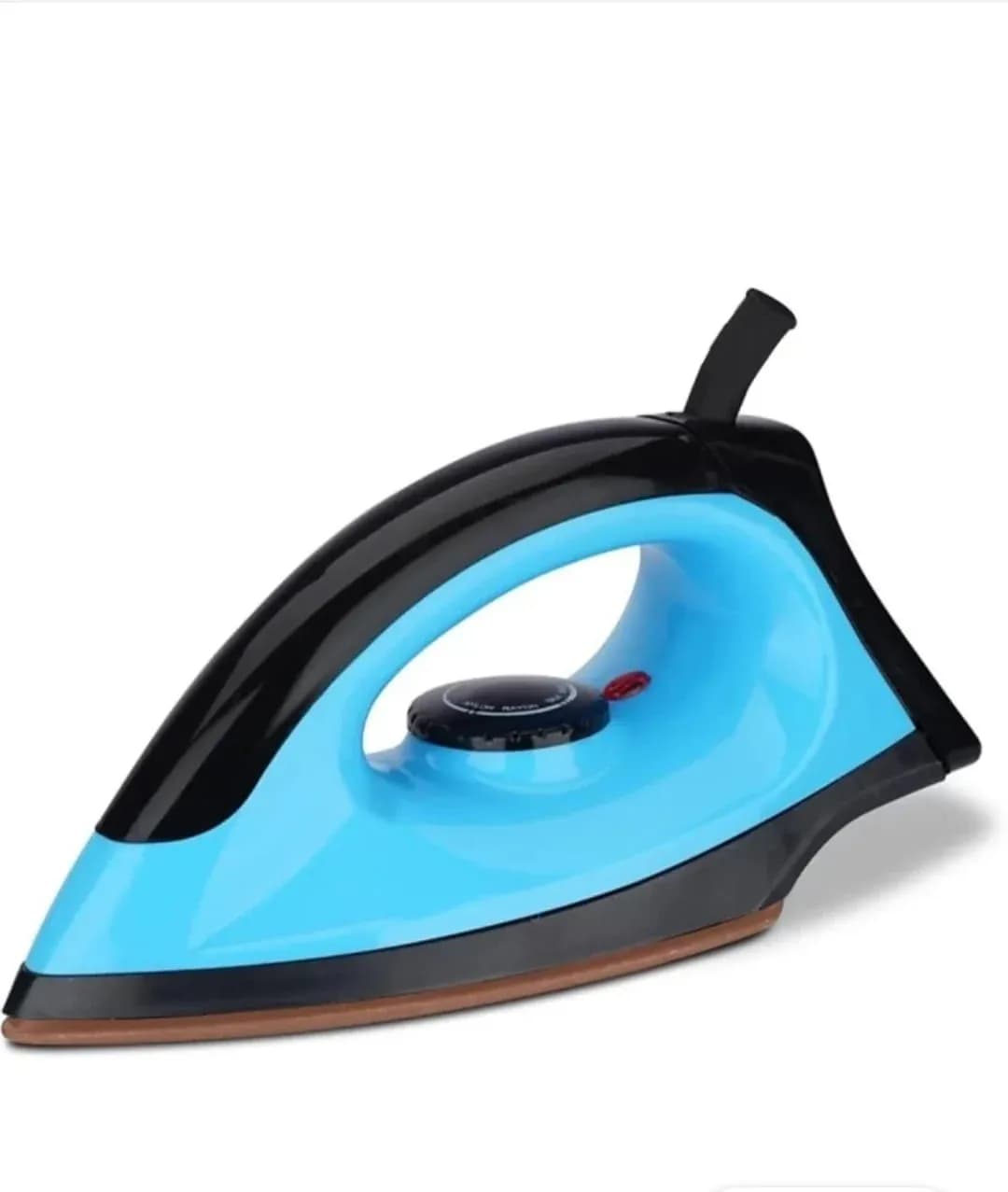
The non-stick soleplate is engineered using a high-grade fluoropolymer coating that minimizes surface tension, allowing the iron to glide effortlessly over embroidered silk and stiff cotton fabrics. This material is specifically chosen for its thermal conductivity, ensuring that heat is distributed evenly across the entire surface area without creating localized hot spots. The 1000W heating element is calibrated for rapid thermal recovery, meaning the soleplate maintains its target temperature even when pressing damp or heavy materials like denim or thick linen. This efficiency reduces the time required for each garment while preventing the fabric from sticking to the plate.
The thermostat control system utilizes a high-sensitivity bimetallic strip that responds instantly to the adjustable dial settings. Each of the three fabric modes—silk, cotton, and synthetic—is mapped to a specific temperature threshold designed to protect delicate fibers while providing enough heat to break down tough wrinkles. For Indian mixed-fabric wardrobes containing everything from synthetic rayon to pure cotton, this level of precision is vital. The dial is positioned for easy thumb access, allowing the user to transition between different heat requirements as they move through a varied laundry basket without experiencing temperature fluctuations.
Safety architecture is a primary focus of this dry iron, incorporating a redundant protection circuit to handle the specific challenges of Indian power grids. The auto shut-off feature activates if the device remains stationary for too long, while the thermal fuse acts as a physical fail-safe against catastrophic overheating during 220–240V voltage spikes. Furthermore, the shockproof body is constructed from heat-resistant polymers that remain cool to the touch, preventing accidental burns. By combining these electrical safeguards with ISI-certified components, the engineering team has prioritized user safety in high-load domestic environments where multiple appliances often run simultaneously.
From an ergonomic perspective, the 1.6-kilogram weight is intentionally balanced to utilize gravity for wrinkle removal, thereby reducing the manual downward pressure the user must apply. This weight, combined with the 1.2-meter swivel cord, provides a significant range of motion and prevents wrist fatigue during long ironing sessions involving multiple sarees or uniforms. The handle is contoured to fit the natural grip of the hand, distributing the weight across the palm rather than the fingers. Consequently, the Electric Heavy Weight serves as a prime example of how mechanical design can improve daily household productivity through thoughtful ergonomic engineering.