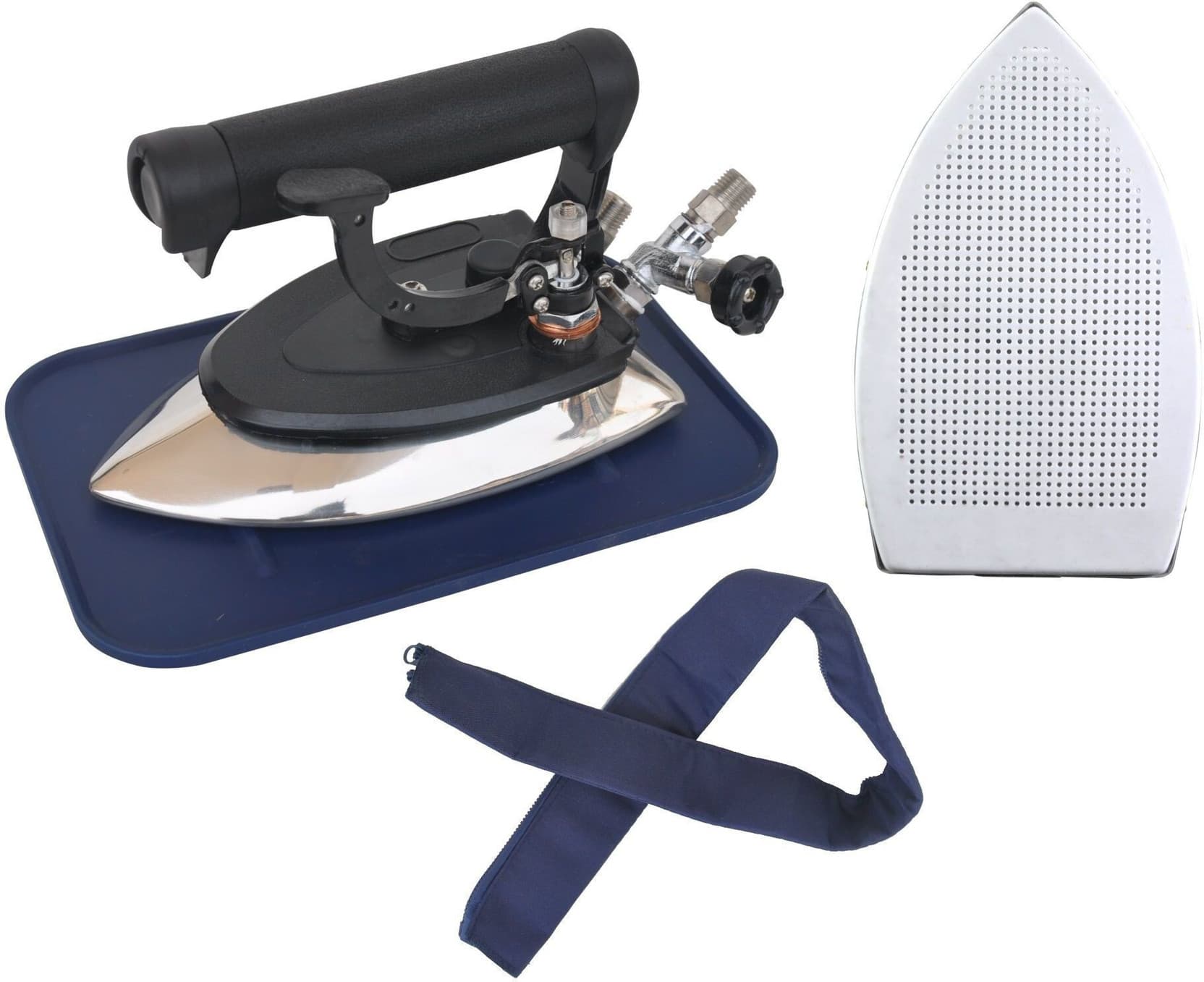
The stainless steel soleplate on this dry iron is engineered for high-frequency usage across various Indian textiles. Unlike coated surfaces that may peel over time, the solid stainless steel construction provides a permanent, smooth gliding surface that resists scratches from metal zippers or heavy embroidery on festive wear. This material choice ensures even heat distribution, eliminating cold spots that lead to uneven pressing. The 0W rating is specifically calibrated to reach operating temperatures quickly, maintaining a steady thermal state that prevents the fluctuations common in lower-quality builds. This thermal stability is essential for maintaining the integrity of delicate fibers while providing the raw heat necessary for heavy cottons.
Temperature management is facilitated through a mechanical thermostat linked to the internal heating element. The control dial is calibrated to handle various fabric modes, providing distinct heat levels for materials ranging from thin rayon to thick denim. For Indian wardrobes that often mix natural and synthetic fibers, this precision prevents the accidental melting of polyester-blend office shirts or the scorching of fine silk kurtas. The internal sensor monitors the plate temperature in real-time, cycling the power to stay within the safe parameters of the selected setting. This level of control ensures that users can transition between different garment types without waiting excessively for the plate to cool down or heat up.
The safety architecture of this dry iron is built to withstand the realities of the Indian electrical grid, which often experiences voltage fluctuations between 220V and 240V. By adhering to strict ISI certification standards, the unit incorporates a high-quality thermal fuse that acts as a fail-safe against power surges. This mechanism automatically cuts off electricity if the internal temperature exceeds safe limits, protecting both the dry iron and the garment. Additionally, the reinforced insulation around the internal wiring prevents electrical leakage, ensuring user safety during long ironing sessions. These engineering choices provide a robust layer of protection against the most common causes of domestic electrical incidents involving small appliances.
Ergonomic considerations are evident in the handle geometry and the balanced weight of the chassis. The dry iron is designed to provide enough downward pressure to flatten wrinkles without requiring the user to apply excessive force, which reduces wrist fatigue during large laundry batches. The cord entry point is reinforced to prevent fraying, and its length is optimized for use with standard Indian ironing boards or flat table surfaces. Every physical aspect, from the grip texture to the tip profile for navigating pleats, is designed for daily domestic utility. Ultimately, the 2.BSP6PC Ironing Shoe represents a well-conceived tool that prioritizes durability and user comfort for the modern Indian household seeking reliable performance.