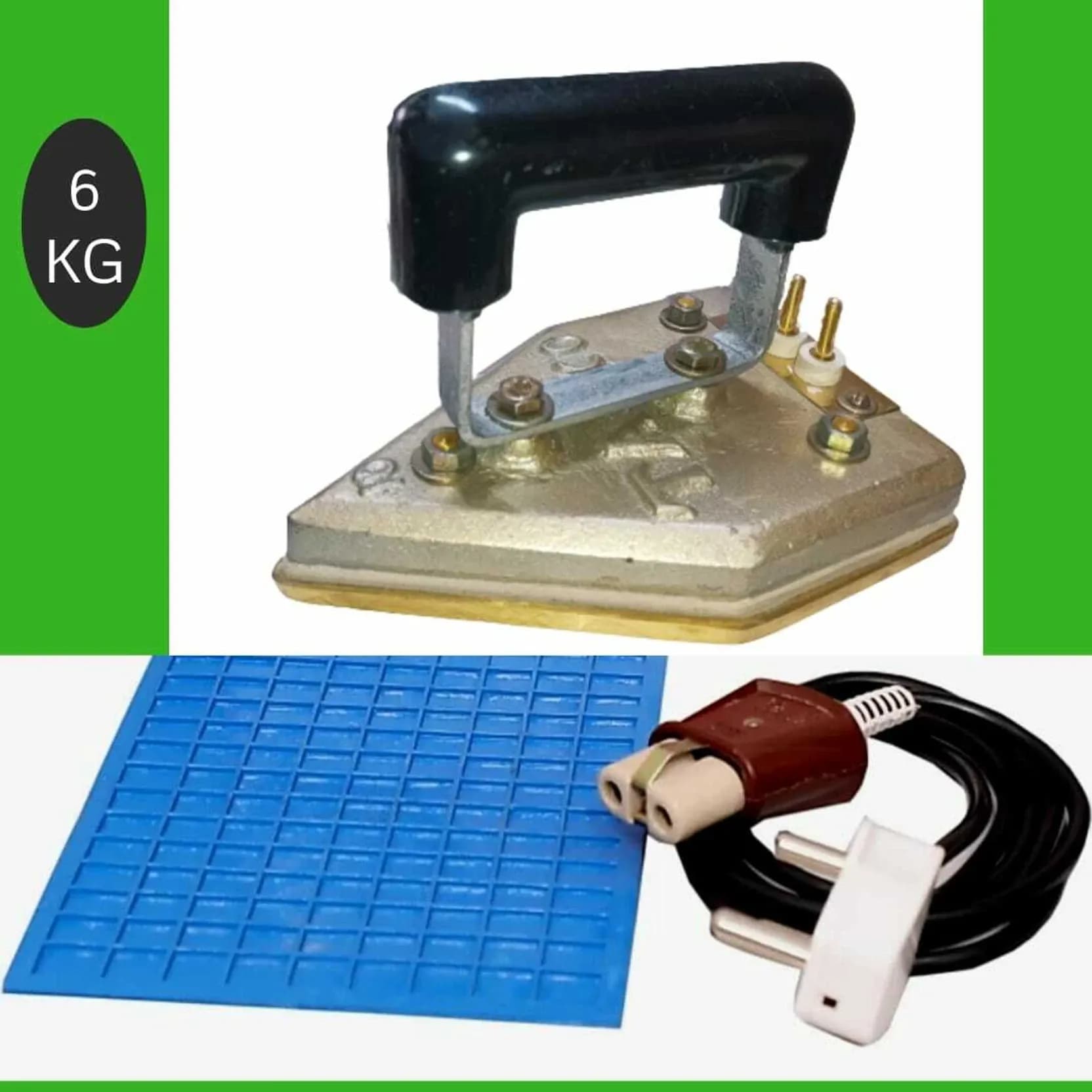
The engineering of the Cast Iron soleplate is the core of this dry iron's performance, providing high thermal inertia that traditional thin plates lack. This heavy-duty material ensures that once the desired temperature is reached, it remains consistent across the entire pressing surface, preventing cold spots that cause uneven finishes on silk kurtas. The surface is ground to a smooth finish to facilitate a snag-free glide over intricate Indian embroidery and zari work on cotton sarees. Unlike coated alternatives, this robust metal plate resists scratching from metal zippers on school uniforms or heavy brass buttons on formal office shirts, ensuring a long operational life for the heating surface.
Thermal regulation is managed through a precision manual dial that correlates directly with the three integrated fabric modes: cotton, linen, and heavy_fabric. This analog control system is calibrated to handle the specific heat requirements of dense Indian textiles, such as handloom linen or thick denim blends, which demand sustained high temperatures. For lighter fabrics like rayon or polyester blends, the thermostat offers fine-tuned adjustments to prevent fiber melting while still providing enough heat to remove storage creases. This mechanical reliability is preferred in the Indian market for its durability against frequent usage, allowing users to switch between delicate silk and heavy cotton settings with predictable results every time.
The safety architecture of this dry iron is designed to mitigate risks associated with the variable voltage conditions often found in Indian residential power grids. By incorporating an ISI certified thermal fuse and an overheat protection circuit, the unit automatically interrupts power if internal temperatures exceed safe operating limits. This dual-layer defense is critical when pressing heavy fabrics that require long durations of active heating. Furthermore, the insulation around the internal wiring is rated for high-temperature environments, preventing degradation that could lead to short circuits. These engineering choices ensure that the iron remains a safe household tool, even during the rigorous demands of preparing daily school uniforms.
Ergonomic considerations focus on the 6kg weight distribution, which utilizes gravity to eliminate the need for manual downward pressure during the ironing process. This specific weight is ideal for flattening stubborn seams on cotton sarees and heavy linen trousers without straining the user's wrist. The handle is shaped to provide a secure grip, accommodating various hand sizes for fatigue-free operation during bulk ironing sessions. Complementing this is the 2.5-meter power cord, which offers ample reach across large ironing boards, ensuring that the 14.6kg 800W Brass Laundry Iron remains maneuverable despite its solid build. These design elements combine to create a highly efficient pressing experience for every Indian household.