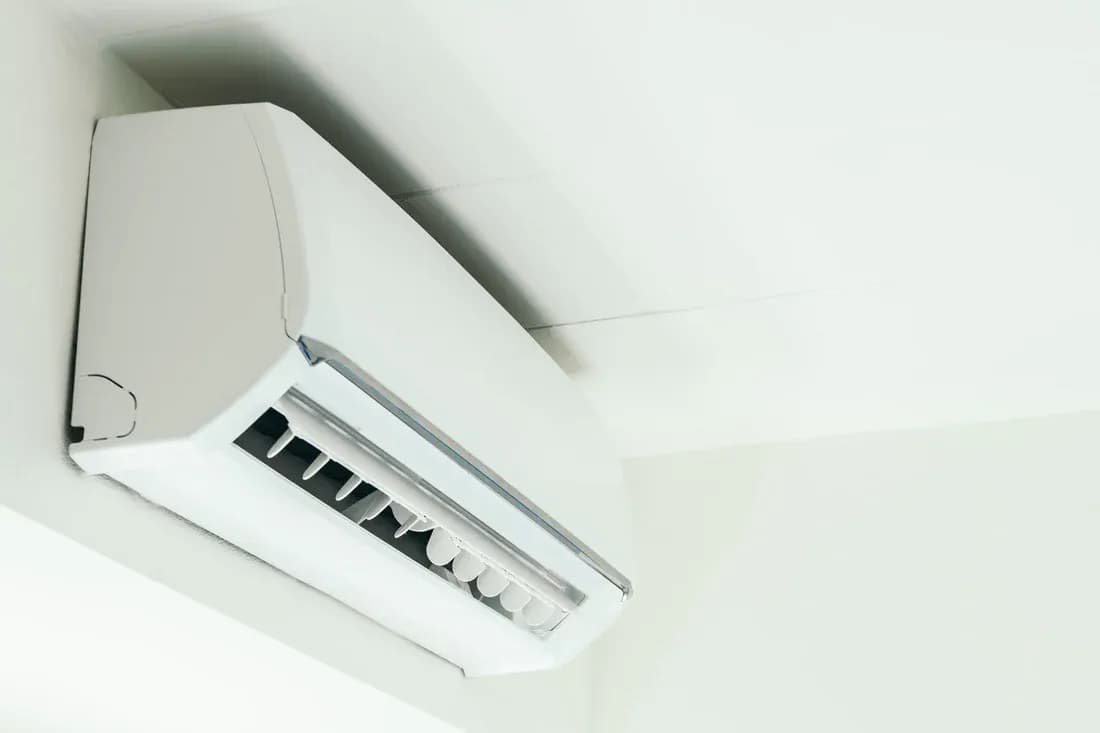
Energy performance of the SOL12FS3 is defined by its BEE 2019 3 Star certification and an ISEER of 3.56. Annual energy usage is certified at BEE standardised test conditions for its star class. The Rotary applies Variable Frequency Drive (VFD) control to precisely track real-time thermal load — eliminating energy-intensive stop-start cycles that fixed-speed motors incur each cooling cycle. Peak electrical draw is 750W at 230V nominal supply, with the inverter drive board sustaining power factor above 0.95 across all load states.
The SOL12FS3 is built around 100% copper condenser coils, which outperform aluminium in corrosion resistance by 40% — a critical durability coefficient for India's coastal zones, high-humidity interiors, and salt-particulate urban environments. Copper's thermal conductivity of 401 W/m·K (vs aluminium's 205 W/m·K) enables faster, more complete heat rejection, directly sustaining the rated ISEER across the product lifespan. R32 refrigerant carries a Global Warming Potential of 675 — 68% lower than R410A (GWP 2088) — with a 30% lower refrigerant charge requirement by weight, reducing total lifecycle refrigerant footprint and leak risk. The SOL12FS3's filtration stack (Dust, Anti-bacterial, PM 2.5) captures PM2.5 particulates, microbial contaminants, and volatile organic compounds, contributing to measurably healthier indoor air quality beyond raw thermal control. Auto Swing motorised air swing ensures conditioned air reaches every corner of the room's thermal envelope, eliminating stratification and hot-spot buildup. The 5 Years compressor warranty signals the manufacturer's projected confidence in units operating at India's sustained 10–12 hour daily summer load patterns.
Stabilizer-free operation (190–240V) eliminates the need for external voltage regulation hardware. Auto-restart with non-volatile thermostat memory ensures the SOL12FS3 resumes operation at the last set temperature and mode after power interruption — eliminating manual reconfiguration in Indian grid zones that experience 4–10 daily outages at peak summer demand. Validated for 52°C maximum ambient operation — 7–9°C above the IEC 60335-2-40 standard baseline of 43°C — the thermal management stack is stress-certified for India's most extreme summer regions including Rajasthan, Vidarbha, coastal Andhra Pradesh, and the upper Gangetic plains.