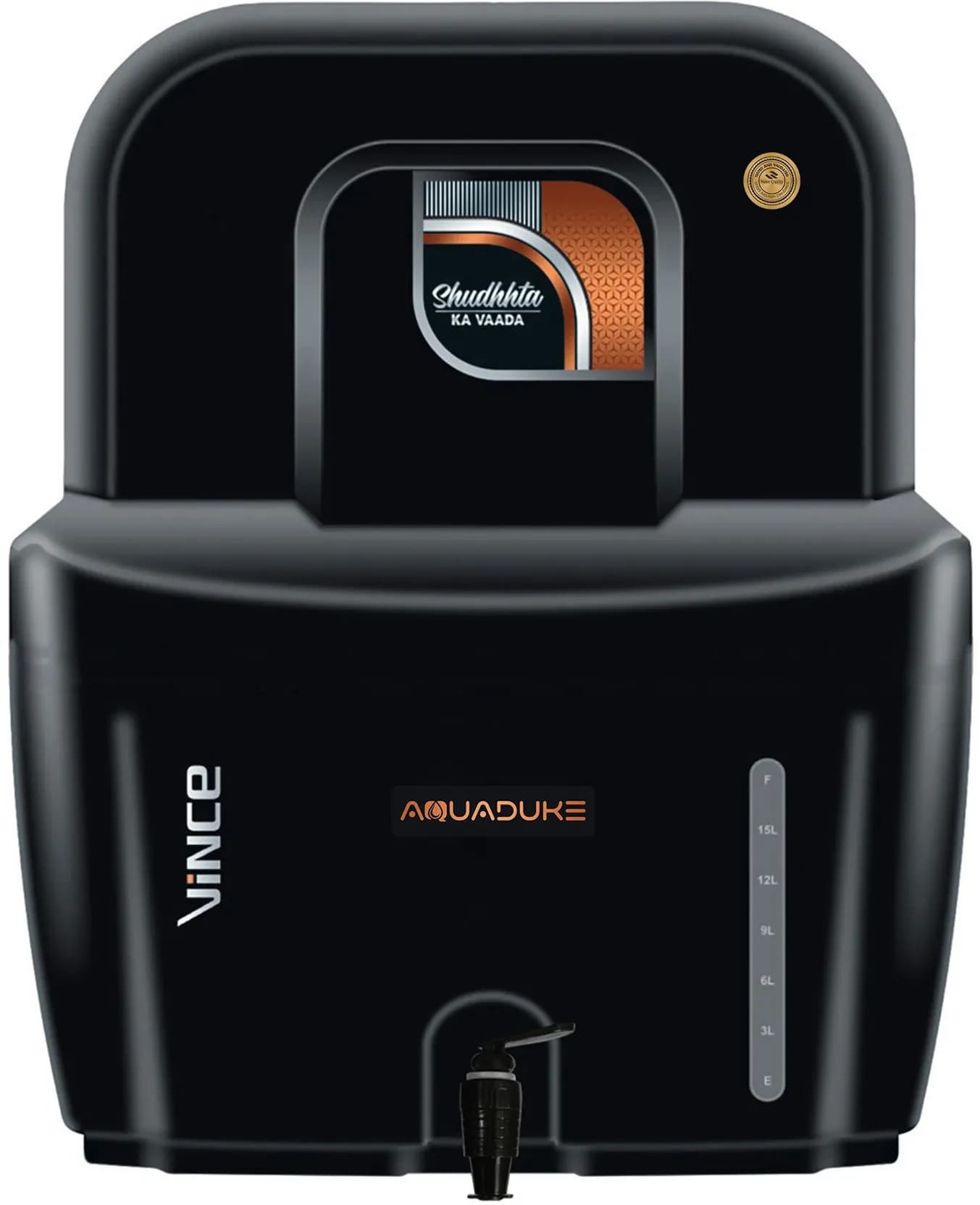
The core technology utilizes a triple-layered approach combining RO, UV, and UF membranes. The 10-stage purification cycle is the standout engineering feature of this specific model. It processes water through multiple sediment and carbon filters before reaching the RO membrane. This ensures that the 0.21 Litres/min speed is achieved without compromising the final mineral balance. By utilizing a high-grade booster pump, the system maintains consistent pressure even in low-flow environments. This technical configuration ensures that even fine suspended particles are trapped before reaching the final UV stage. We examine the filtration sequence to verify its effectiveness against stubborn microbial contaminants.
Operating mechanics focus on high-TDS threshold management, specifically supporting input levels up to 2000 ppm. This is crucial for Indian regions relying on tanker water or deep borewells. The 11 Watts power draw is remarkably low, showing optimized electrical engineering within the internal SMPS unit. Build quality remains sturdy, using food-grade plastic for the large 12-litre storage tank. The internal layout allows for easy access during periodic filter replacements or membrane cleaning. The unit operates with minimal vibration, indicating well-seated components and a balanced motor housing. This attention to detail prevents internal leaks common in entry-level purifier designs.
The final verdict leans toward the Aqua Duke being a sound investment for high-TDS households. It includes a 1 Year Warranty on Electrical Parts (Booster Pump & SMPS) which provides necessary peace of mind. This model acts as a strong upgrade from basic units that lack comprehensive mechanical depth. It outperforms basic entry-level devices by maintaining a predictable flow rate even as the pre-filters begin to saturate. For those prioritizing both storage volume and chemical filtration depth, this unit provides a stable performance curve. It represents a reliable mid-range option for sustainable home water management in urban environments. The system effectively justifies its footprint through consistent output quality.