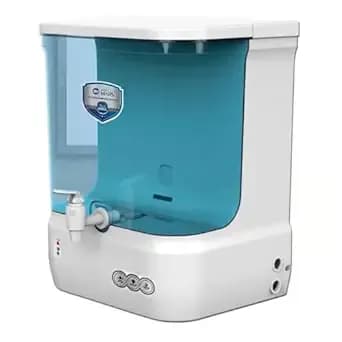
The engineering core of this unit relies on a three-pronged RO+UV+UF approach to ensure water safety. The 4-stage purification cycle systematically removes physical sediments, dissolved salts, and pathogens through sequential layers. A key highlight is the 0.2 L/min speed, which ensures that the RO membrane has sufficient contact time to reject impurities effectively. In a technical comparison, this filtration depth is superior to dual-stage systems found in entry-level products. The UF membrane acts as a final barrier, catching any remaining microscopic particles while the UV chamber deactivates viral structures. This combination is particularly effective for Indian urban environments where water sources frequently fluctuate between municipal and tanker supplies.
Mechanical durability is evidenced by the system's ability to process water with a TDS threshold of 3000 TDS. Most domestic purifiers struggle beyond 2000 TDS, but this model uses a high-grade membrane to withstand aggressive mineral concentrations. The internal pump is optimized for the 50 W power draw, maintaining pressure without excessive noise or heat generation. While the noise level isn't explicitly rated, the standard RO pump design remains unobtrusive within a typical kitchen environment. The build quality focuses on leak-proof connectors and food-grade plastic for the 9 L tank, ensuring stored water remains uncontaminated. Each stage is designed for easy serviceability, allowing for straightforward filter replacements during scheduled maintenance intervals.
For consumers looking for a utilitarian and robust device, the A.D. Aquafresh 9 L represents a sensible technical investment. It provides consistent performance in challenging water conditions that would typically degrade standard household filters quickly. The 1-year warranty on electrical parts secures the most sensitive components against voltage fluctuations common in regional grids. This model is a strong upgrade from basic units, offering the necessary RO pressure to tackle high salinity. While it lacks smart digital displays, its focus on raw filtration power ensures long-term functionality. Ultimately, it outperforms basic entry-level devices by offering a high TDS tolerance and a multi-layered defense against diverse contaminants.